Lawmakers, Advocates Highlight Need for AI Safeguards to Protect Youth Mental Health
Ohio House Bill 524 Proposes Penalties on AI Promoting Self-Harm COLUMBUS, Ohio – The Ohio Suicide Prevention Foundation (OSPF), joined […]
Feb 19, 2026
Read more →
During Suicide Prevention Month, the Ohio Suicide Prevention Foundation (OSPF) is proud to spotlight the passionate team members working to prevent suicide and promote mental wellness across Ohio. Through four key questions, they’ll share their stories, offer insight into their work, their dedication to suicide prevention, and how they care for their mental well-being.
Annie Bellware is the Office Coordinator for the Ohio Suicide Prevention Foundation. Her passion for others’ well-being led her to OSPF, where she could significantly impact the lives of others in her community.
Q1: What inspired you to work in the suicide prevention field?
A1: As cliché as it sounds, I always wanted to help others and looked for a long time to find a place I could do that professionally. I searched to find a place where my skills could make a difference, and prevention is exactly that. When the opportunity to join this team was presented to me, I could not have been more excited. I knew I could take the 15 years of professional experience I had beforehand and apply the different skills I had learned to influence change and make that difference I had been waiting so long to do. It has been my true honor to be a part of this team and this organization, and I know I will spend my career here helping to grow prevention initiatives that will save lives.
Q2: What is one project or moment at OSPF that you’re especially proud of?
A2: To date, in my short time at OSPF, I am proud of the work I’ve done every day. From taking calls and comforting loss survivors, sending resources to people across the state so they can help raise awareness, to helping be a part of the events we throw or are a part of. One thing that stands out to me, though, is a call I took very shortly after I joined the team. It was a grandmother whose grandson had died by suicide. She shared the story of his life with me, her grief and pain, and that they were putting together an event in his honor. She wanted to purchase items from us to have at the event so that they could educate others and prevent further tragedies. When I told her I’d put together a box of items and send them to her for no cost, she cried. She just wanted to understand the “why” so badly but knew she couldn’t. My heart ached for her, but I was amazed by her strength and courage. She wanted to make sure she did all she could to make sure no other families were devastated like hers. The call confirmed I was where I needed to be and touched me deeply.
Q3: How do you prioritize self-care and mental wellness in your own life?
A3: In 2021, I was in a terrible car accident, one I probably shouldn’t have lived through. So, I try to remind myself daily that just being here, with my family and friends, is a blessing to begin with. That usually helps with any self-care and mental wellness needs I have, because I am so grateful to have them, and to spend time laughing and being crazy with them, that I find a lot of peace in that.
Q4: What message would you share with someone who may be experiencing a mental health crisis or supporting a loved one in crisis?
Q4: The term “mental health” has a stigma surrounding it. Personally, I feel that when people hear that, they associate it with being ‘crazy’, or some other outlandish mental condition. What is so unfortunate is that that type of attitude is what holds people back from asking for help. Our “mental health” is what keeps us going and the struggles someone faces could be small or massive. The message I share with people in crisis is first, to make sure they understand that I am glad they asked for help, and secondly, to remember that mental health is something everyone on this planet has to deal with, and regardless of what they are dealing with they should never be embarrassed to reach out. I applaud that person and praise them for their courage to speak out. Most importantly, more than any message I can convey, I listen. Hear that person, understand what they are saying and all the things they aren’t. Listen for the stuff in between the lines and try to get the whole picture. When I know that person is done sharing, I sum up what I understand, and we go from there. Sometimes the opportunity to vent is enough. Other times it may be more serious, and we put a plan in place. But it is vital, in my opinion, that the person continue to understand that no matter what, they can always turn to me for help, and that overcoming the fear to ask for help is something they should be proud of, and to keep going.
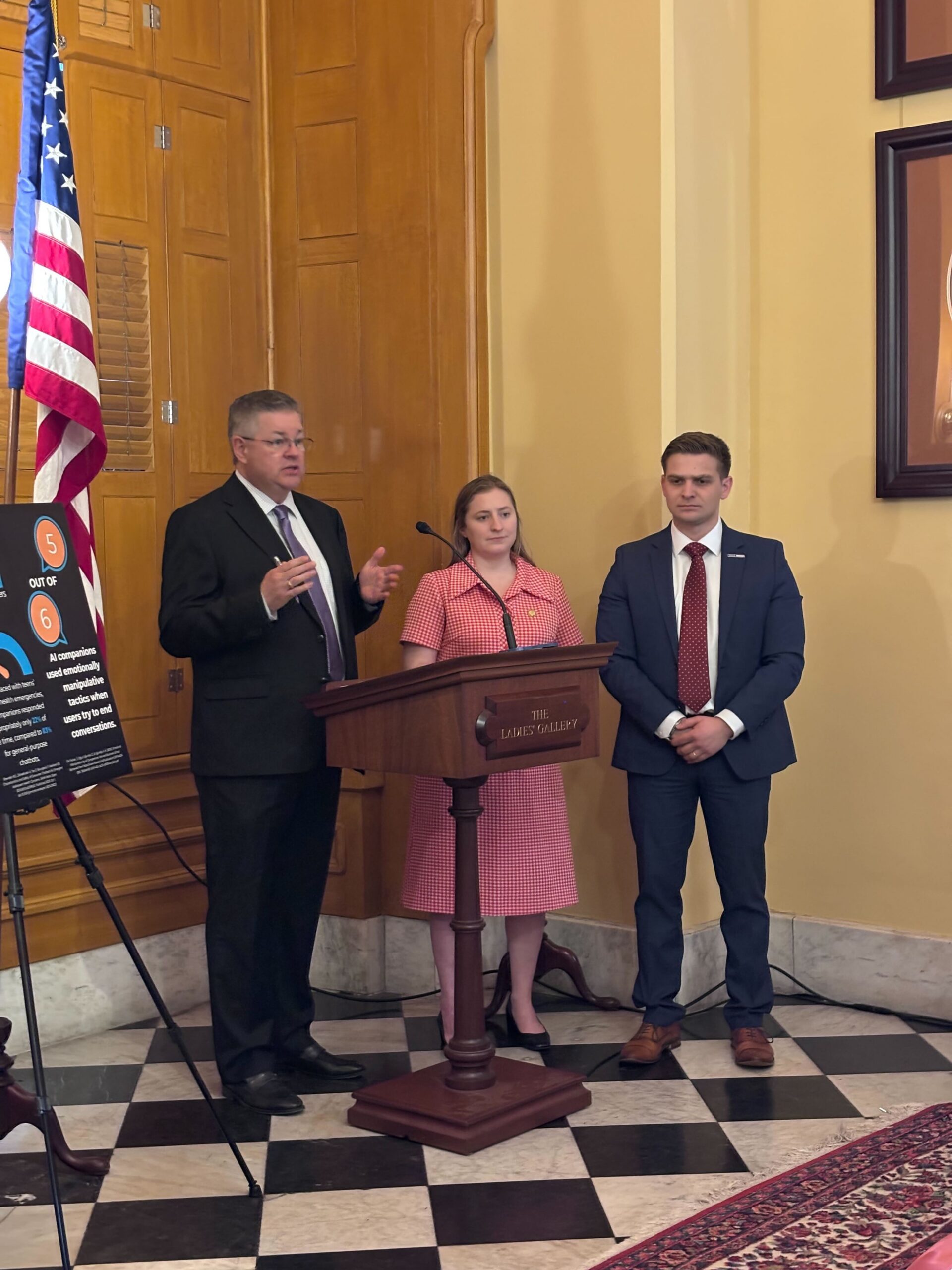
Ohio House Bill 524 Proposes Penalties on AI Promoting Self-Harm COLUMBUS, Ohio – The Ohio Suicide Prevention Foundation (OSPF), joined […]
Feb 19, 2026
Read more →
February 3, 2026, 10:00 A.M. ET The following statement is attributed to OSPF CEO Tony Coder: Chair Claggett, Vice Chair […]
Feb 3, 2026
Read more →